

How to equip an ENT practice
Opening a new ENT practice or modernizing an existing one? This guide walks through the main equipment decisions, in the order most clinics make them.
1. Start with the treatment unit
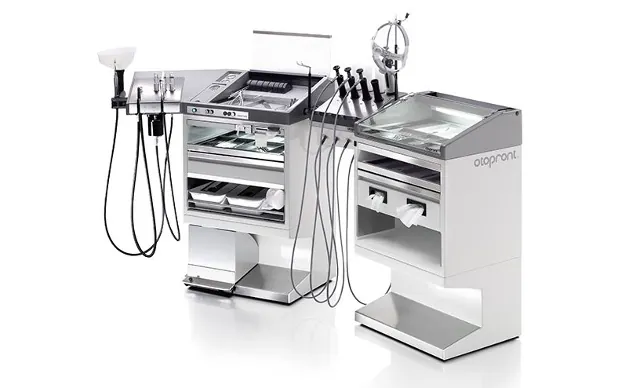
The treatment unit is the centre of the ENT workplace: it holds the instruments, suction, compressed air, light and often the endoscopy camera. Choose a modular unit if you want to expand it over time, or a compact mobile unit for smaller rooms and shared spaces.
 Brochure
BASIC PLUS
Modular ENT treatment unit, refined over 25+ years
View product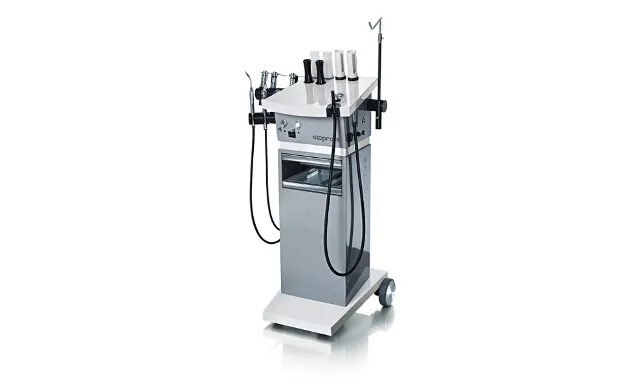 Brochure
SMART
Compact mobile ENT treatment unit on castors
View product2. Patient and doctor chairs
The patient chair decides how comfortably and quickly you can position patients. Motorized chairs with rotation speed up routine work; a hydraulic chair is a cost-effective option where no power connection is available.
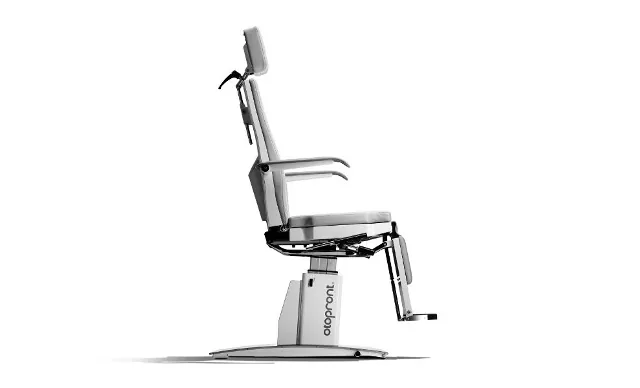
SIT 4
Motorized ENT examination chair with 360° rotation
View product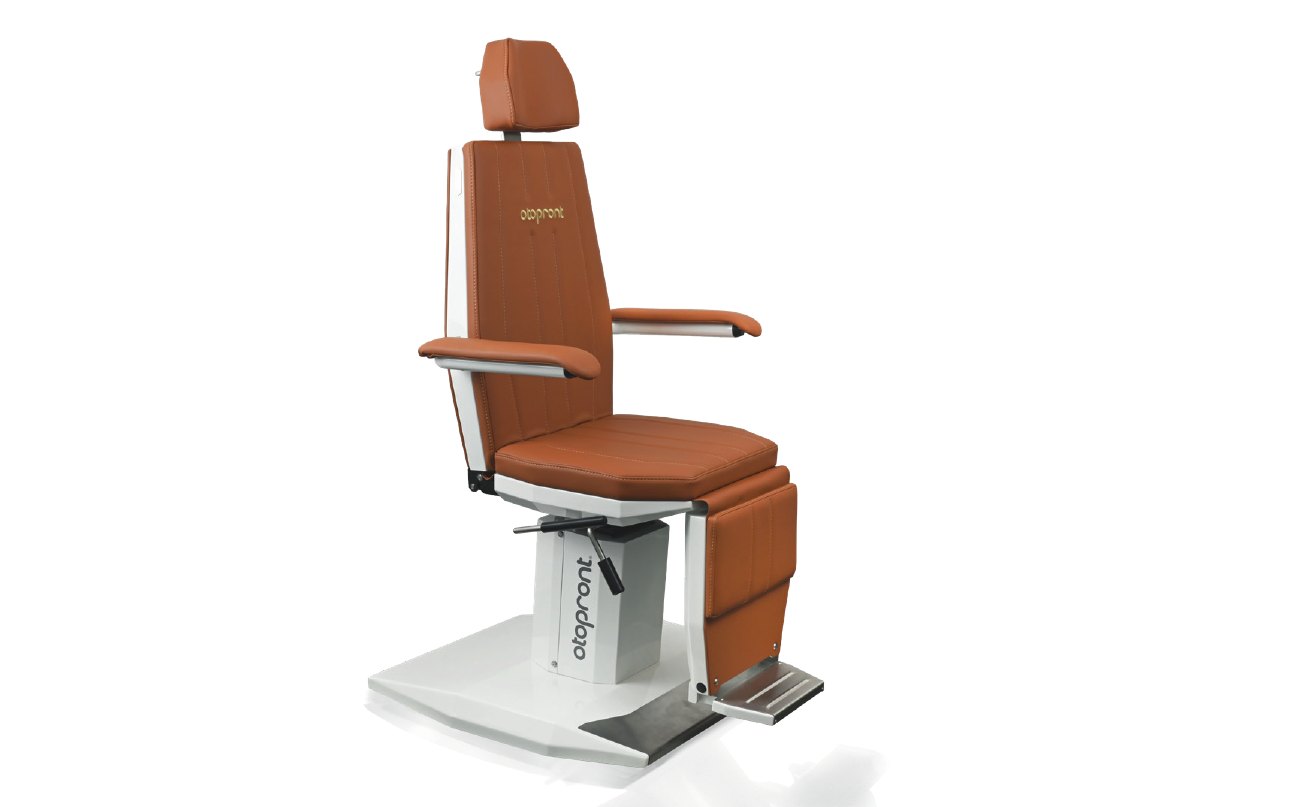 Brochure
SIT MAX one
Spacious ENT patient chair with 400 mm lift
View product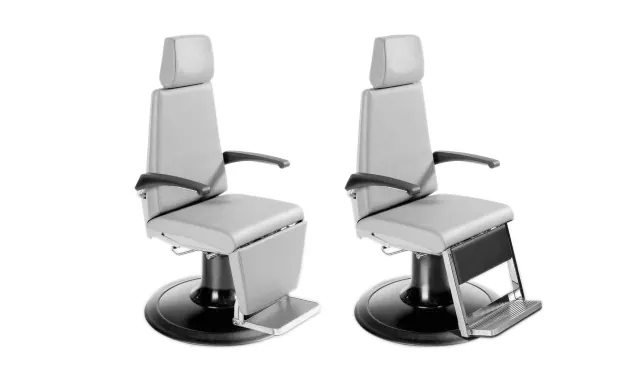
Examination Chair 46320 / 46120
Affordable hydraulic examination chair, no power needed
View product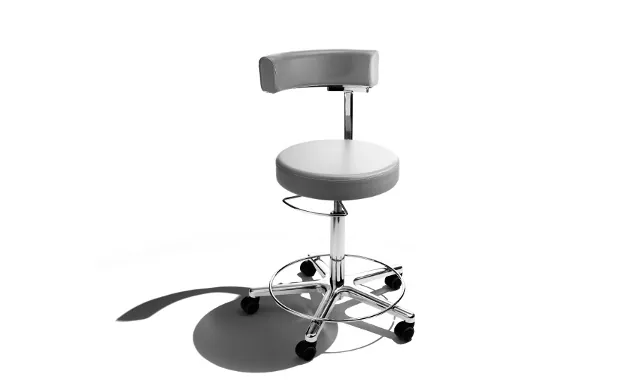
Doctor's Chair BELMONT
Doctor's chair with pneumatic seat height adjustment
View product3. Endoscopy and imaging
Video endoscopy lets you document findings, show them to patients and store them in the patient record. Plan for stroboscopy if you see voice patients, and check whether your clinic needs DICOM connection to its IT system.
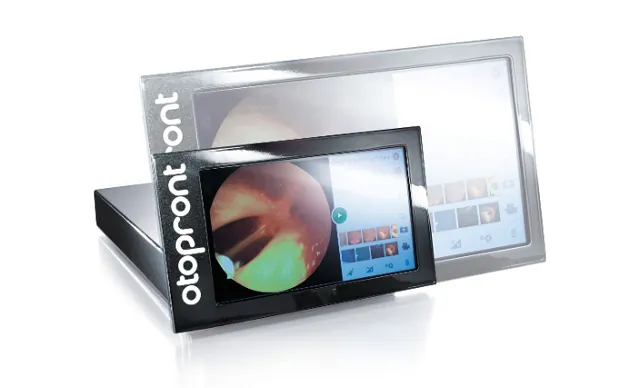
PES PILOT HDpro
Compact Full HD videoendoscopy system with DICOM
View product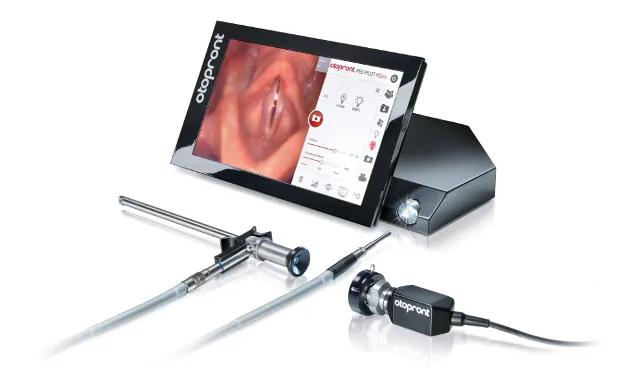
PES PILOT HDpro Stroboscope
Compact Full HD stroboscopy system with LED light
View product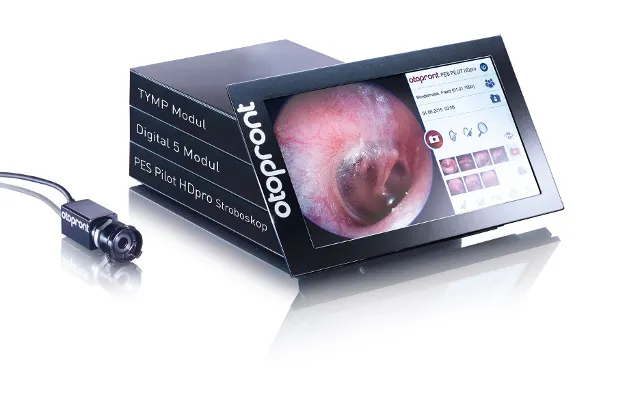 Brochure
PILOT Diagnostic Center
Modular imaging, stroboscopy, tympanometry and ultrasound workstation
View product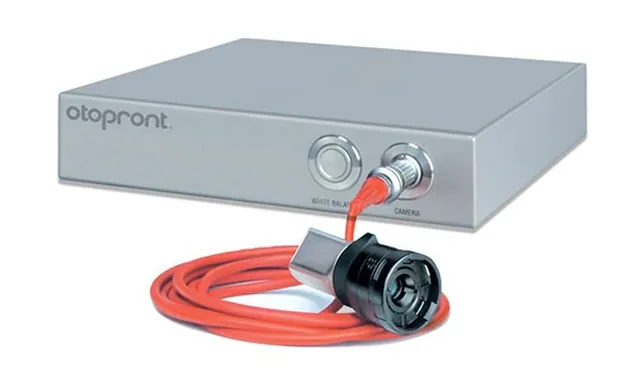
PES Eco HD
High-sensitivity Full HD camera for endoscopy and microscopy
View product4. Diagnostics
Add diagnostic devices according to your patient mix: hearing tests and tympanometry, vestibular testing, sinus ultrasound or nasal breathing diagnostics.
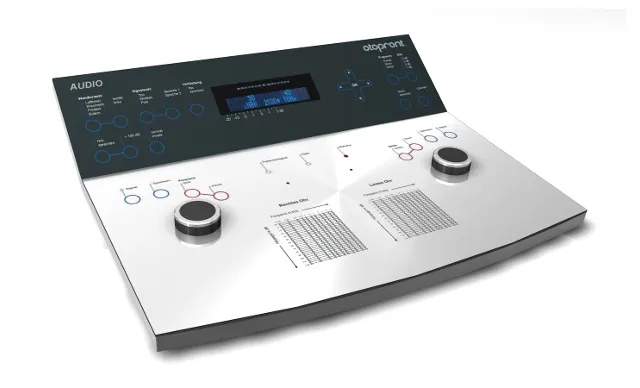
AUDIO
Advanced audiometer for all classical hearing tests
View product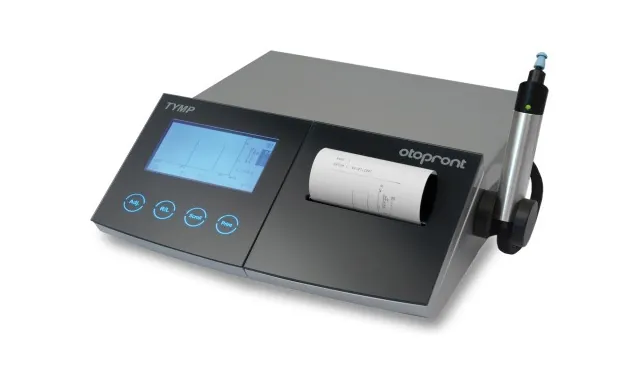
Otopront TYMP
Fully automatic tympanometry and stapedius reflex testing
View product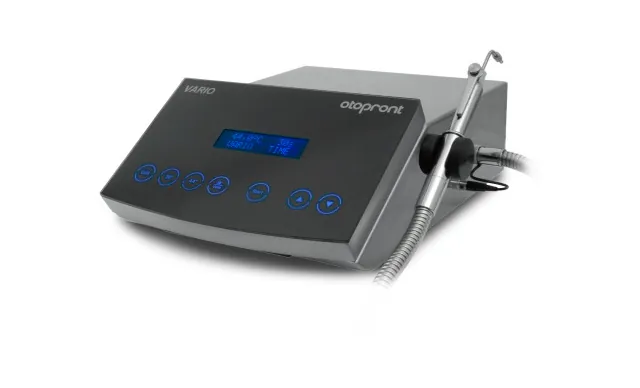
VARIO WATER
Caloric water stimulator for vestibular examinations
View product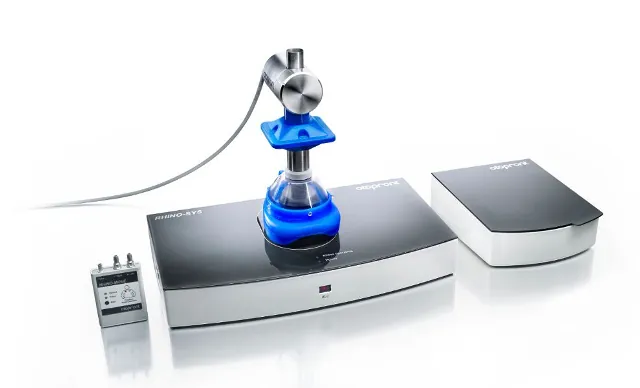
RHINO-SYS
Complete system for functional nasal breathing diagnostics
View product5. Hygiene
Plan endoscope reprocessing, instrument storage and water hygiene from the start. It is easier to build them into the setup than to add them later.
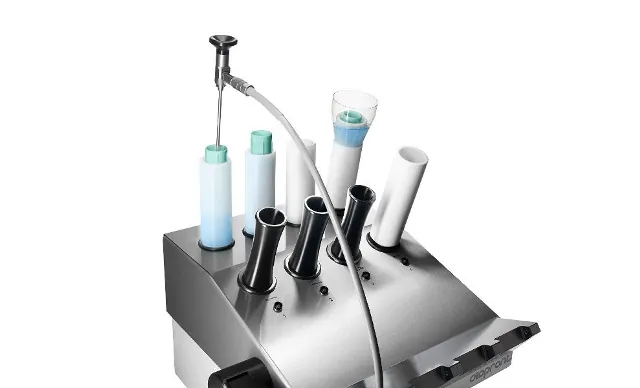
Double Quiver Disinfection System
Patented endoscope reprocessing system preventing recontamination
View product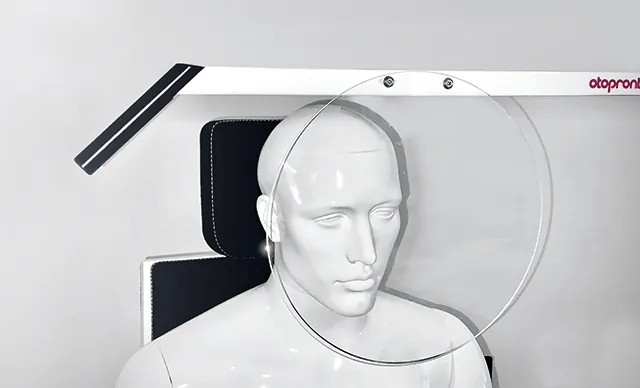
Droplet Protection Frame
Shields the ENT workplace from droplets and secretions
View product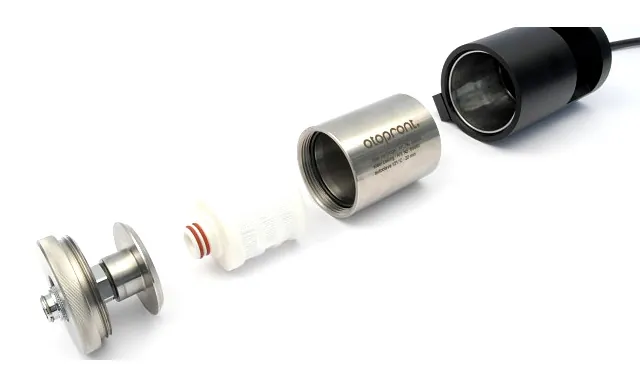
Water Filter Unit
Validated, autoclavable filter for hygienically pure water
View product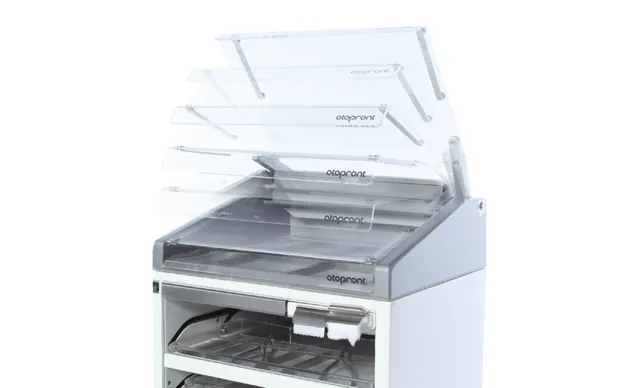
Instrument Management
Dust-free, clearly arranged instrument storage
View productRoom planning checklist
- Room size and layout: space for the unit, chair rotation and a second person.
- Power sockets near the unit and chair.
- Network connection if images go to the clinic IT system.
- Water supply and drainage if you plan a water filter or caloric testing.
- A clear hygiene workflow: clean and used instruments kept apart.
Not sure where to start? Answer a few questions in the Product Finder, or send us your room plan and we will suggest a setup.
Planning a new ENT room or upgrading your equipment?
Tell us what you need — we’ll prepare a tailored configuration and quotation.